
Strive for Solid Advantages in Gambling Card Challenges

Understanding the Mechanics of Strategic Play
The world of card-based wagering offers a unique blend of skill and probability that distinguishes it from pure chance games. To strive for solid advantages, players must first understand the underlying mathematics of the decks they are using. By mastering basic strategy charts and knowing when to hit, stand, or double down, participants can significantly reduce the house edge. This foundational knowledge transforms casual play into a disciplined pursuit where informed decisions lead to better long-term outcomes.
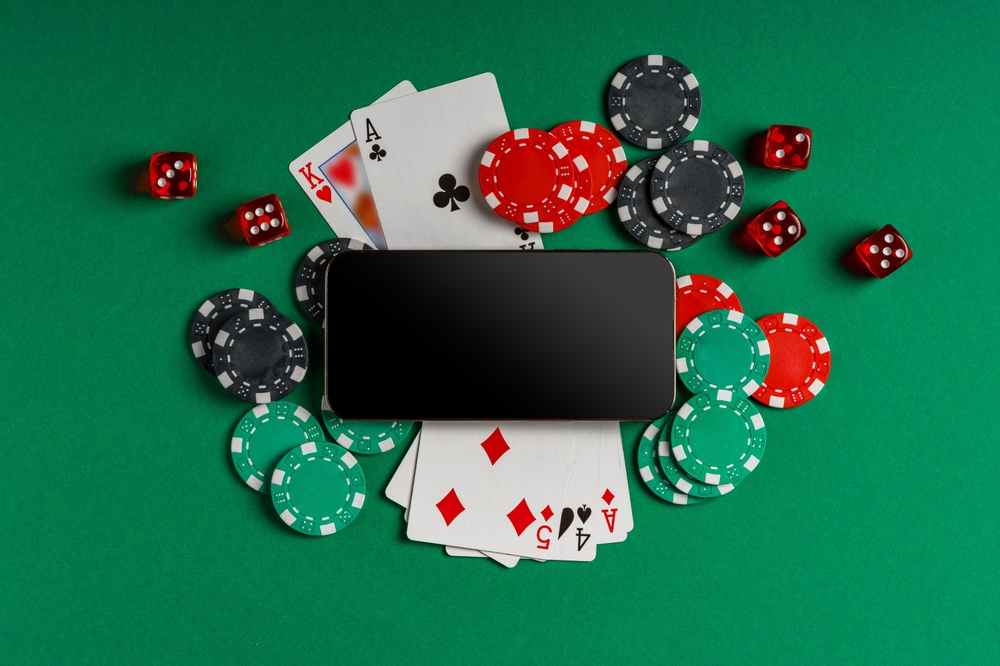
Furthermore, bankroll management is an indispensable component of any successful gambling card challenge. Setting strict limits on losses and wins ensures that a player remains in control of their finances throughout the session. Without a clear budget, even the most skilled strategist can fall victim to emotional betting or chasing losses. A structured approach allows for sustained engagement and provides the mental clarity needed to make rational choices during high-pressure moments at the table.
Leveraging Psychological Edge Over Opponents
In games like poker, the opponent is not the house but other players at the table, making psychological insight crucial. Observing betting patterns, body language, and timing can reveal valuable information about an adversary’s hand strength. Developing a consistent demeanor helps prevent opponents from reading your own intentions, creating a barrier that protects your strategic assets. This cat-and-mouse dynamic requires intense focus and the ability to remain composed regardless of the current state of the game.
Additionally, understanding tilt management is vital for maintaining performance over extended periods. Tilt refers to the emotional state where frustration leads to poor decision-making, often resulting in significant financial loss. Successful competitors learn to recognize early signs of frustration and take breaks to reset their mindset. By staying emotionally balanced, players can execute their strategies without interference from impulsive reactions, thereby preserving their competitive advantage.
Optimizing Decision-Making Through Probability
Probability theory serves as the backbone of advanced card gaming strategies. Calculating pot odds, implied odds, and equity percentages allows players to determine whether a specific bet is mathematically profitable. These calculations help distinguish between speculative plays and high-value opportunities, ensuring that resources are allocated efficiently. Mastery of these concepts separates amateur enthusiasts from professional contenders who rely on data-driven insights rather than gut feelings.
Moreover, situational awareness enhances the application of probabilistic models. Factors such as position at the table, stack sizes, and previous hands played all influence the correct action in any given scenario. Adapting one’s strategy to fit these variables ensures that theoretical advantages are translated into practical gains. This adaptability is key to navigating the complex landscape of modern card challenges where static strategies quickly become obsolete against savvy opponents.
Utilizing Technology and Tools for Analysis
In the digital age, various software tools and analytical platforms are available to assist serious gamblers in refining their skills. Tracking databases allow users to review past sessions, identify leaks in their game, and track progress over time. These tools provide objective feedback that human memory alone cannot offer, highlighting areas for improvement with precision. Integrating technology into one’s study routine accelerates the learning curve and promotes continuous growth.
However, it is important to use these resources responsibly and within the rules of the platform being used. While practice modes and solvers are excellent for education, relying on real-time assistance during live play is strictly prohibited and unethical. The goal is to internalize the lessons learned through analysis so that intuitive, rapid decision-making becomes second nature. This balance between technological aid and organic skill development creates a robust foundation for success.

Exploring Premium Platforms for Enhanced Experience
Choosing the right platform can significantly impact the overall quality of your gambling card challenges. Websites that prioritize user experience, security, and fair play provide an environment conducive to strategic growth. For those looking to explore curated collections and engaging interfaces, visiting north-spin-ca.com offers a glimpse into how modern digital spaces are designed to enhance customer satisfaction and engagement. Such platforms often feature intuitive navigation and secure payment methods that allow players to focus entirely on their gameplay.
When selecting a venue, consider factors such as game variety, community size, and customer support responsiveness. A vibrant community provides ample opportunities for practice and networking, while reliable support ensures that any issues are resolved promptly. Ultimately, the best platform is one that aligns with your personal preferences and strategic goals, offering a seamless and enjoyable experience. By prioritizing quality and trustworthiness, you create a stable environment where your skills can truly shine.