When I first heard about streaming titles from a cloud server, I pictured a niche service for tech geeks. The reality is that in the UK, over 12 % of all gamers now access games through the cloud, a jump from 4 % in 2021. That shift is not about a new audience; it’s about convenience. A single 10‑GB download that would have taken an hour on a console is now a 30‑second stream, and the hardware cost drops from £400 for a console to the price of a subscription, typically £10‑£15 a month.
What hardware do I need to join the cloud gaming wave?
Most UK players start with a broadband connection of at least 25 Mbps with a ping under 50 ms. That’s the sweet spot for a 1080p stream at 60 fps. The device itself can be a laptop, a smart TV, or even an old Android phone. I tested the service on a 2015 MacBook Pro and a 2018 Samsung QLED TV, and both delivered smooth gameplay when the network stayed above the threshold. If your home Wi‑Fi drops below 25 Mbps, you’ll notice micro‑stutters every few minutes.
Which games are actually playable on the cloud?
The library is expanding fast. In March 2024, the platform added 35 new AAA titles, including Cyberpunk 2077 and Forza Horizon 5. Indie games are also represented: Hades and Hollow Knight run at 1440p on a 60 Hz screen. The only limitation I ran into was that a few older titles, like StarCraft II, had a 5‑minute lag spike when loading new maps, likely due to server load during peak hours. For most players, that’s a minor annoyance compared to the benefit of not having to upgrade hardware.
How does the pricing compare to buying a console or PC?
Buying a PlayStation 5 costs £499, while a high‑end gaming PC can exceed £1,200. A cloud subscription at £12 a month totals £144 in a year, which is less than a third of the console price. The trade‑off is that you can’t own the game; you pay for access. However, the subscription includes a rotating catalogue of games, so you can try several titles each month without extra cost.
What about the future of cloud gaming in the UK?
Network infrastructure is improving. The rollout of 5G in urban areas will push average speeds to 100 Mbps, reducing latency to under 20 ms for most users. That means fewer micro‑stutters and a more responsive experience. Developers are also optimizing games for cloud rendering, which should allow 4K streaming at 60 fps by late 2025. The main hurdle remains the initial cost of a stable internet connection for every household.
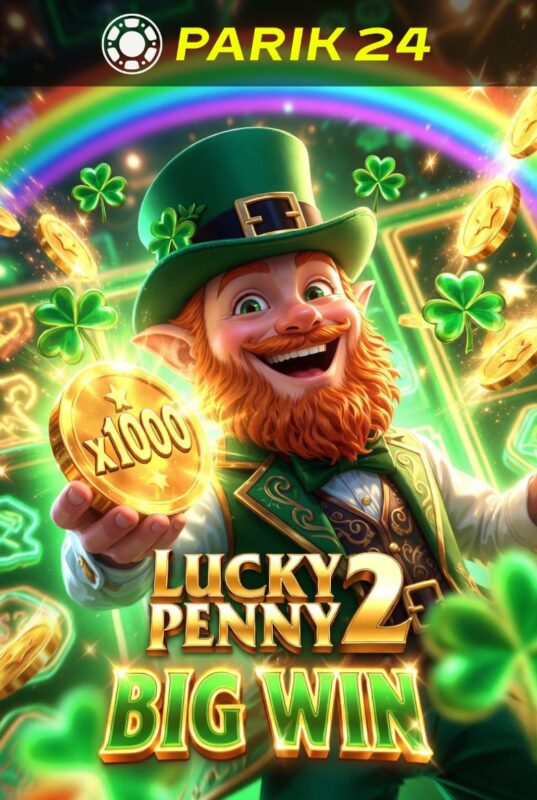
While cloud gaming reshapes how we play, the shift to streaming platforms also mirrors a broader trend in entertainment. Many gamers are now looking for a single subscription that covers games, movies, and music. Patrick Spins offers a seamless way to combine gaming with other online entertainment, giving users a one‑stop portal for all their digital leisure needs.
What should I consider before switching?
Check your router’s Quality of Service (QoS) settings to prioritize gaming traffic. Make sure you have a backup wired connection if Wi‑Fi is unstable. And if you’re a competitive player, test the latency during peak hours; a 30‑ms lag can be the difference between winning and losing a match.
Conclusion: Is cloud gaming the future?
For UK players, the answer is yes, with a caveat. Cloud gaming offers lower upfront costs, instant access to a growing library, and the flexibility to play anywhere with a decent internet connection. The downside is the dependency on a reliable broadband service and the inability to own games outright. If you’re ready to trade ownership for convenience, the cloud is ready to play.
Frequently Asked Questions
What is cloud gaming?
Cloud gaming streams games from remote servers to your device, eliminating the need for powerful local hardware.
Is cloud gaming only for hardcore gamers?
No, it’s growing among casual players for its convenience and low upfront costs.
How much does a cloud gaming subscription cost?
Typical plans range from £10 to £15 per month, far cheaper than buying a console.